
Embracing the Rise of Multi-Generational Living in Toronto's Real Estate Market
In Toronto, a city known for its cultural diversity and dynamic real estate market, a significant shift is occurring. Multi-generational living (not to be confused with multi-family), once a traditional concept, is now gaining traction as a modern housing solution. This trend, highlighted in the National Association of Realtors (NAR) report showing an increase to 14% in 2022, reflects changing demographic and economic realities. In the this article, we’re delving deep into this evolving trend, offering insights and guidance for those navigating this market.
Historically, extended families living under one roof was the norm, driven by economic necessities, cultural traditions, and limited mobility. In the post-World War II era, particularly in North America, there was a shift towards nuclear family living, influenced by economic growth, urbanization, and a growing emphasis on individualism. However, recent decades have seen a reversal of this trend, as economic pressures, cultural shifts, and demographic changes bring multi-generational living back into focus.
The Growing Appeal of Multi-Generational Homes
Economic Factors Influencing Housing Choices
The economic landscape of Toronto, characterized by high living costs and soaring real estate prices, has made multi-generational living a practical option for many. The city's housing market, one of the most expensive in North America, pushes families to seek alternatives to the standalone nuclear family homes. Multi-generational living offers a financially viable solution, allowing families to pool resources for housing expenses, childcare, and eldercare, thus alleviating individual financial burdens.
Demographic Changes and Their Impact
Toronto's demographic profile is changing. An aging population, longer lifespans, and the rising cost of elderly care are prompting families to reconsider traditional eldercare solutions. Simultaneously, younger generations, particularly millennials, are facing challenges in affording their own homes due to high property prices and student debts. These factors contribute to the appeal of multi-generational homes, where resources and responsibilities can be shared.
Real Estate Market Response
The real estate market is responding to these shifts. There's an increasing demand for properties that can accommodate multiple generations under one roof. This demand influences not only the types of properties being sought but also architectural designs and neighborhood amenities. Homes with separate entrances, multiple kitchens, and adaptable living spaces are becoming more popular, and neighbourhoods known for their community-centric amenities are seeing increased interest.
Cultural Perspectives on Multi-Generational Living
In Toronto, where nearly half of the population is born outside of Canada, cultural influences play a significant role in housing preferences. For many immigrant communities, multi-generational living is not just an economic choice but a culturally ingrained practice. It's a way of life that fosters familial bonds, offers a support network, and provides a sense of continuity and cultural preservation.
The Shift in Housing Preferences
Toronto's housing preferences are shifting from the single-family detached homes towards more versatile living arrangements. The growing interest in multi-generational homes is not just a passing trend but a reflection of deeper societal changes. It challenges the traditional notion of the Canadian dream, replacing it with a more inclusive and flexible vision of home and family.
Toronto's Real Estate Response to Multi-Generational Needs
Adaptable Housing Designs
As a result of these changing perspectives, we’re witnessing a surge in demand for homes that offer adaptable layouts conducive to multi-generational living. Architects and builders are increasingly focusing on creating spaces that balance the need for communal living areas with private spaces. These homes often feature multiple kitchens, allowing different generations to cook and dine according to their schedules and preferences. Separate living areas, such as basement suites or in-law apartments, provide privacy while still keeping the family connected. This trend towards flexibility also includes features like soundproofing, separate entrances, and adaptable rooms that can transition from a home office to a bedroom, catering to the dynamic needs of a multi-generational family.
Legal and Zoning Challenges
One of the critical challenges in adapting to multi-generational living in Toronto involves navigating the city’s zoning laws and regulations. For families looking to modify existing properties to suit multi-generational needs, it’s essential to understand and comply with these laws. This may involve securing permits for renovations or extensions that transform a single-family home into a multi-generational dwelling. Ensuring compliance is crucial not only for the legality of the modifications but also for the safety and sustainability of the living arrangements. Real estate professionals and legal advisors play a vital role in guiding families through this process, helping them understand the implications of zoning laws, building codes, and other regulatory requirements.
Customization and Retrofitting
Beyond new construction, there's a growing trend in retrofitting existing homes to accommodate multi-generational families. This involves customizing homes to add features like wheelchair ramps, stairlifts, and walk-in showers, making them accessible for elderly family members. Energy efficiency is also a consideration, with families opting for upgrades like improved insulation and solar panels to reduce utility costs for the larger household.
Neighbourhood Choices
The choice of neighbourhood is a significant consideration for families seeking multi-generational living arrangements. Proximity to essential services such as healthcare facilities and schools is a top priority. Families are looking for neighbourhoods that not only offer these amenities but also provide a strong sense of community. Areas with parks, recreational facilities, and community centers are particularly attractive, as they cater to the needs and well-being of all generations. Neighbourhoods that offer a mix of residential and commercial spaces are also appealing, as they provide easy access to shopping, dining, and entertainment options, enhancing the quality of life for residents of all ages. Communities like The Beaches and the Danforth are popular for their vibrant community feel and the variety of housing options available, while retrofitting in more established neighbourhoods like Leaside, The Annex and Rosedale is increasingly common.
Community Planning and Development
The rise in multi-generational living is also influencing broader community planning and development strategies in Toronto. Urban planners and developers are recognizing the need to create communities that support diverse family structures. This includes designing neighbourhoods with a mix of housing types, from single-family homes to townhouses and condominiums, offering various options for multi-generational living. Public spaces, transportation networks, and community services are also being planned with the needs of all generations in mind, ensuring that the city's infrastructure supports the evolving dynamics of its residents.
Navigating the Challenges and Opportunities
Multi-generational living, while offering numerous benefits, comes with its unique set of challenges and opportunities. Successfully managing these dynamics requires careful consideration and planning in several key areas.
Financial Planning and Arrangements
One of the primary advantages of multi-generational living is the potential for economic efficiency. However, achieving this requires thoughtful financial planning. Families must navigate shared expenses like utility bills, property taxes, and maintenance costs. This involves setting up transparent systems for budgeting and bill payment to ensure fairness and avoid misunderstandings. Additionally, understanding the tax implications of a multi-generational household is crucial. For instance, if part of the home is rented out to a non-family member, this income must be declared. On the other hand, tax benefits may be available for renovations made to accommodate elderly or disabled family members. Another consideration is the potential for rental income from parts of the property, such as a basement suite, which can provide financial relief to the household, particularly in a rising interest rate environment.
Privacy and Space Management
Maintaining a balance between communal and private spaces is another critical consideration. Common areas like kitchens, living rooms, and gardens should be designed for shared use, fostering family interaction and bonding. At the same time, individual family members need their private spaces to retreat and relax. This might involve designating certain areas as quiet zones or personalizing bedrooms to suit individual tastes and needs. The challenge lies in creating a home layout that accommodates these diverse requirements, encouraging family time without compromising on personal space and privacy.
Customization for Accessibility
As families consider bringing elderly members or those with disabilities into the multi-generational home, customization for accessibility becomes a priority. This may include installing features like wheelchair ramps, stairlifts, and accessible bathrooms. Other modifications could involve lowering kitchen countertops, adding grab bars in bathrooms, and ensuring that doorways are wide enough to accommodate mobility aids. These adaptations not only make the home safer and more comfortable for all residents but also demonstrate a commitment to inclusivity and care for all family members. Our recent listing at 2 Leander is a great example of this type of property.
Conflict Resolution and House Rules
Living under one roof with extended family can naturally lead to conflicts, given the different lifestyles, habits, and preferences. To navigate these potential issues, establishing clear house rules is essential. This might involve agreements on noise levels, guest policies, and shared responsibilities like cooking and cleaning. Open communication channels are vital, allowing family members to express concerns and preferences openly and respectfully. Regular family meetings can provide a forum for discussing issues and finding collective solutions. Additionally, having strategies for conflict resolution in place, such as mediation or designated 'cool-off' periods, can help maintain harmony and prevent minor disagreements from escalating. Even a simple family whatsapp group can go a long way to ensuring everyone is heard.
Successfully navigating these challenges and opportunities requires a combination of practical arrangements and emotional intelligence. By addressing financial, spatial, accessibility, and interpersonal dynamics, multi-generational households can thrive, offering a fulfilling and supportive living environment for all members.
Market Trends and Future Outlook
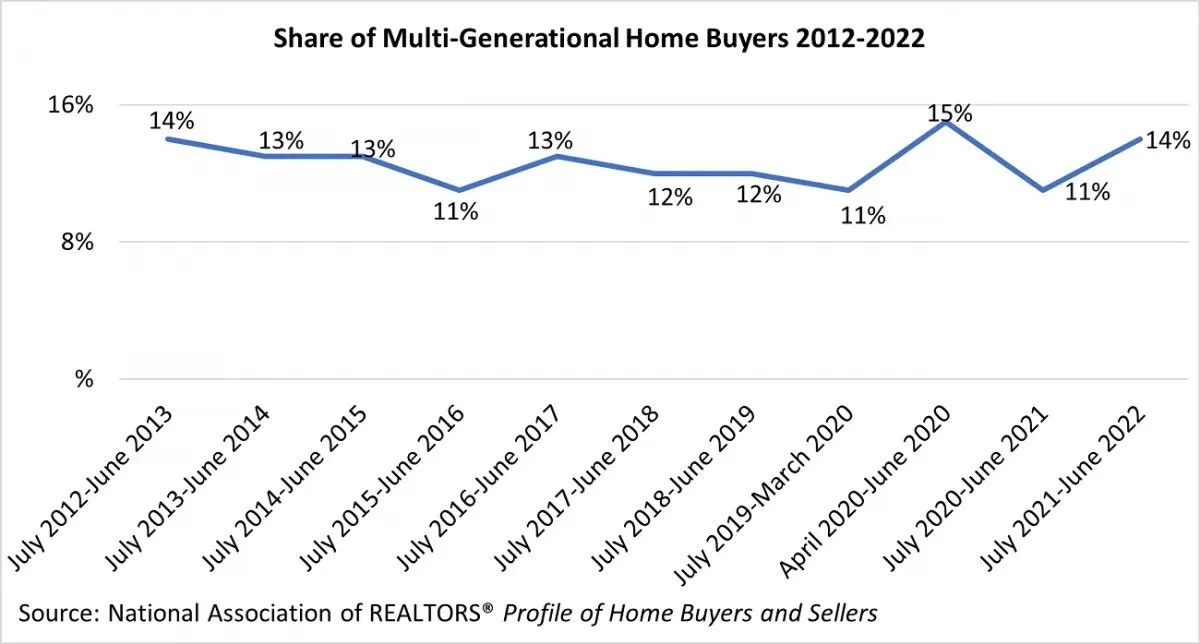
The burgeoning trend of multi-generational living is significantly impacting the Toronto real estate market. This shift is particularly evident in the growing demand for larger properties capable of accommodating extended families. For instance, homes with additional living spaces, such as basement apartments or in-law suites, are increasingly sought after. This demand is reshaping how real estate professionals approach their listings and sales strategies.
Real estate agents are now more focused on highlighting the versatility of properties, emphasizing features like separate entrances, adaptable living spaces, and extra kitchens. A report by the National Association of Realtors NAR highlights the increasing importance of multi-generational homes in the market.
Future Developments
As Toronto continues to grow and diversify, the landscape of its housing market is evolving. Multi-generational homes are set to become a more integral part of this landscape. This trend is driven by various factors, including demographic changes, cultural diversity, and economic considerations.
The city's urban planners and developers are recognizing the need for more diverse housing options to accommodate this shift. For example, new housing developments in areas like Scarborough and Vaughan are incorporating designs conducive to multi-generational living. These include larger floor plans, shared communal spaces, and private living areas. The City of Toronto’s Official Plan outlines initiatives to accommodate diverse housing needs, reflecting these evolving trends.
Sustainability and Environmental Considerations
Multi-generational homes align well with sustainability and environmental goals. By housing more people under one roof, these homes utilize space and resources more efficiently. Shared living reduces the per-capita environmental footprint, as seen in decreased energy consumption and reduced waste generation.
Additionally, multi-generational homes can contribute to more sustainable communities. For instance, having family members of different generations living together reduces the need for separate eldercare and childcare facilities, leading to a more integrated community approach. The concept of 'aging in place,' supported by multi-generational living, also aligns with sustainability goals, as outlined in studies like the one by Sustainable Cities Collective.
A Future-Focused Approach in Toronto's Real Estate
The rise of multi-generational housing in Toronto presents unique opportunities and challenges for both buyers and sellers. For buyers, it's about finding a home that caters to diverse family needs while providing comfort and convenience. For sellers, understanding and tapping into this growing market segment by highlighting aspects that appeal to these growing trends can be key to successful transactions.
Our role as your real estate advisors in Toronto is to provide expert guidance through this evolving landscape. Whether you're exploring multi-generational living options or looking to market your property to this segment, our team at JF Real Estate is equipped to support you in achieving your goals in Toronto’s dynamic real estate market.